
What “Therapy Is Political” Means in Our Practice
TL;DR: Therapy doesn’t happen in a vacuum — it takes place within social, cultural, and political systems that shape safety, access, and whose pain is taken seriously. Ethical therapy isn’t about pushing ideology or demanding “correct” language; it’s about creating a space where marginalized clients don’t have to brace themselves to be respected. That requires clarity around boundaries, ongoing self-reflection from the therapist, and a commitment to nervous-system-informed care rather than intellectual debate. Depth-oriented modalities like EMDR, IFS, and somatic therapy allow this work to unfold without shaming or polarization. When safety is explicit and complexity is welcomed, real healing becomes possible.
I’ve been sitting with the phrase “therapy is political” for a while now. It’s everywhere — on therapist Instagram posts, websites, and slogans — and if I’m being honest, I’ve felt conflicted about it. Not because I disagree with the sentiment, but because the phrase is often flattened, oversimplified, or used in ways that don’t reflect what thoughtful therapy looks like in real life.
So I want to slow it down and ask a more genuine question: What does it actually mean to say that therapy is political?
And what does that mean for how I practice, how I show up as a social worker, and how I create a space that is truly safe — not just rhetorically inclusive — for the people I work with?
Therapy doesn’t exist outside of systems
When people say therapy is political, I don’t hear a call for therapists to turn sessions into debates or impose ideology on clients. I hear something quieter and more grounded: therapy happens inside systems. It happens inside histories of power, access, exclusion, privilege, and harm. Ignoring those realities doesn’t make therapy neutral — it often makes it unsafe.
Mental health doesn’t exist in a vacuum. Trauma is not only the result of discrete events; it is shaped by context. Who feels safe walking down the street, whose body is policed, whose relationships are questioned, whose pain is minimized — all of that lives in the nervous system. When clients walk into therapy, they bring not just their personal stories, but the social realities that have shaped them.
In that sense, therapy is political because…
→ Safety is political
→ Access is political
→ Whose suffering is taken seriously is political
→ Whether someone has to brace themselves in a room that’s meant to heal — that’s political too.
As a social worker, neutrality isn’t the goal — safety is
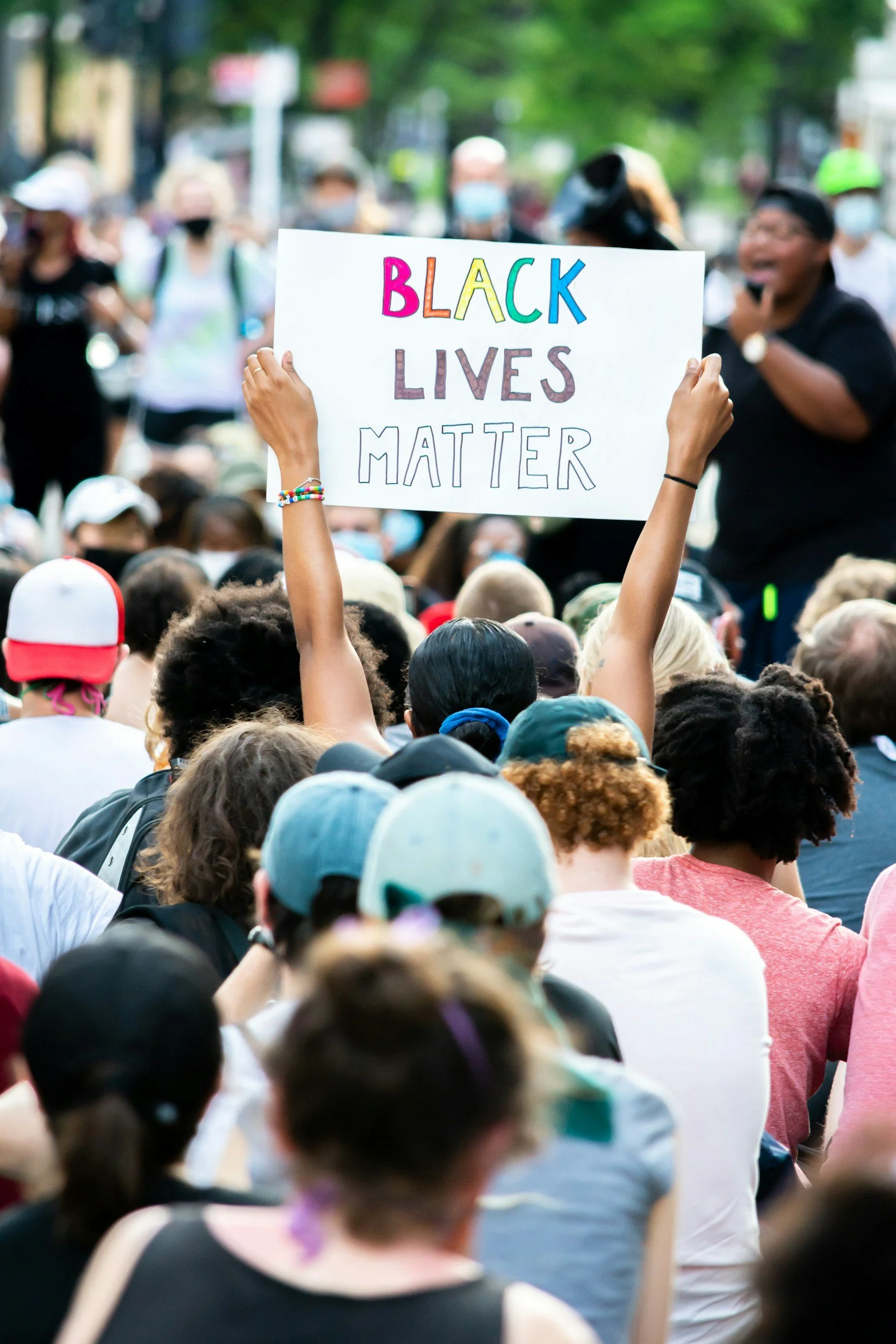
As a licensed clinical social worker, this isn’t abstract for me.
Our professional code of ethics is explicit: we have a responsibility to support marginalized and oppressed populations. That includes BIPOC clients, LGBTQ+ clients, immigrants, and others who have historically been harmed — or excluded — by mental health and medical systems.
That responsibility doesn’t mean shaming clients who are still learning. It doesn’t mean demonizing people who were shaped by different experiences, beliefs, or levels of privilege.
But it does mean being clear about what I will and won’t tolerate in the therapy space.
A queer client shouldn’t have to wonder whether their identity will be debated. A client of color shouldn’t have to brace themselves for minimization or microaggressions. Supporting marginalized clients does not require loudly hating “the other side.” In fact, polarization can recreate the very dynamics therapy is meant to heal.
What it does require is clarity: my therapy room is a place where people’s right to exist, to be safe, and to be treated with dignity is not up for discussion.
Doing my own work is part of the responsibility
Supporting marginalized clients isn’t just about the stance I take publicly — it’s also about the private, ongoing work I’m accountable for as a therapist. That includes continually learning and unlearning, examining my own biases, and staying committed to cultural humility.
None of us are neutral. None of us are finished with this work. And I don’t believe therapists should position themselves as morally above the process. In many ways, it’s the same work I invite clients to do in therapy: slowing down, questioning inherited beliefs, noticing defensiveness without shame, and staying open to growth rather than certainty.
This is especially important to name because I don’t believe therapy should be a space where people are punished for not already having the “right” language or worldview.
I currently work with clients across the political spectrum, and I’ve seen how growth happens not through shaming, but through relationship.
Holding both safety and complexity
I believe something that might sound contradictory on the surface, but makes perfect sense in practice: therapy should be explicitly safe for marginalized people and spacious enough to allow growth for people who are still learning.
Those two things are not in opposition.
There are clear boundaries in my work. Harm isn’t tolerated. Someone’s humanity is never up for debate. Within those boundaries, there is room for reflection, discomfort, and change.
Why modality matters here
This is part of why I’m drawn to depth-oriented approaches like EMDR, Internal Family Systems (IFS), and somatic therapy. These modalities don’t rely on intellectual force or performative correctness. They work with the nervous system.
EMDR helps the nervous system process experiences that never fully integrated, including experiences of systemic harm or chronic threat. IFS recognizes that parts of us form to protect against fear, shame, and loss of belonging. Somatic work reminds us that the body carries the impact of both personal and collective stress.
This is also why I offer longer sessions and therapy intensives. When we’re doing deep nervous system work — especially around trauma, identity-based stress, or chronic activation — time and pacing matter.
A collective commitment
This work doesn’t happen in isolation. At Full Self Psychotherapy, these values are shared. Molly Michael, a clinician in the practice, is actively engaged in this same critical thinking and reflective work through supervision and collaboration.
Collectively, our practice works largely with BIPOC clients, LGBTQ+ clients, and others who have often felt misunderstood or unsafe in traditional therapy spaces.
Creating safety for marginalized clients isn’t a marketing statement for us — it’s embedded in how we think, train, and practice.
Learn more about me (Margot) here.
So, is therapy political?

If by political we mean partisan, combative, or performative — no.
But if we mean honest about context, accountable to ethics, and explicit about safety — then yes, therapy is political.
My goal is not to alienate people who are still learning. It’s to ensure that the people most often harmed by silence don’t have to wonder if they’ll be safe here. I believe therapy can be a place where marginalized clients are protected and affirmed, and where others are invited — not forced — into deeper awareness.
That balance matters to me. It’s part of how I understand ethical, effective therapy.
Working With Us at Full Self Psychotherapy
If this perspective resonates, and you’re looking for therapy that is explicitly inclusive, grounded in depth work, and spacious enough to hold complexity without shaming, we invite you to learn more about working with us at Full Self Psychotherapy. Our clinicians offer EMDR, Internal Family Systems (IFS), and trauma-informed somatic therapy, including longer sessions and intensives for deeper nervous system work. Margot is currently on a waitlist, and clients can also work with Molly Michael, a clinician in the practice who shares these values and approaches through ongoing collaboration and supervision. You can explore next steps and learn more about our work through the links on the site.
Looking for a therapist in Washington, D.C. who provides a safe & inclusive space for marginalized individuals?
At Full Self Psychotherapy, we’re committed to honoring your reality and providing a space where you feel protected & affirmed.
(Washington, D.C., Virginia, and Maryland residents only)
About the author
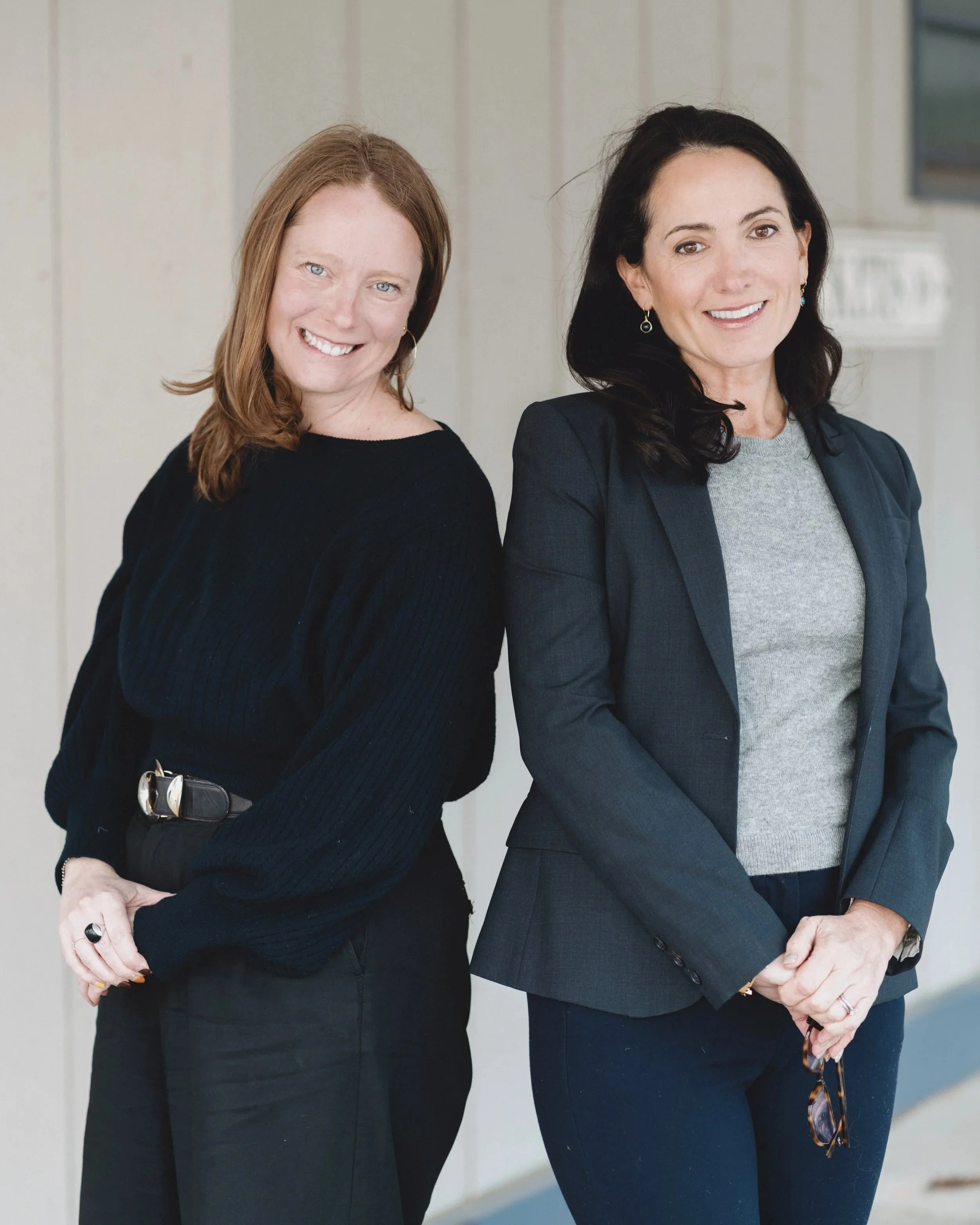
Margot Lamson, LCSW-C is a licensed therapist with over 14 years of experience supporting clients in Washington, DC and Virginia. She specializes in trauma recovery, anxiety, ADHD, and relational challenges, and uses evidence-based approaches like EMDR, Internal Family Systems (IFS), and Sensorimotor Psychotherapy to help clients reduce anxiety, build self-compassion, and heal from the effects of past experiences.
The clinicians at Full Self Psychotherapy are committed to providing compassionate, expert care both in-person and online for clients across DC, Maryland, and Virginia.
