
Meet Naomi: Therapist at Full Self Psychotherapy
TL;DR: Naomi Pomerantz, LICSW, provides therapy for teens and adults who want to understand themselves more deeply, feel more at home in who they are, and build a life that works for them. Her approach to therapy is rooted in the idea that you are not broken and that you deserve support which helps you understand yourself. She works to provide a space with warmth, collaboration, and flexibility as well as a place that is neurodiversity-affirming, identity-affirming, and trauma-informed. By using EMDR, IFS, and DBT flexibly, she works on tailoring therapy to your needs rather than fitting you into a modality. She hopes this will leave you with more self-trust, stronger boundaries, better coping tools, healthier relationships, and a deeper sense of being at home in yourself.
My Approach to Therapy: Curious, Collaborative, Compassionate, and Affirming
I approach therapy with warmth, curiosity, and the belief that every person deserves a place to show up as they are. My style is relational and collaborative. I see therapy as something we create together.
I strive to create an environment that feels emotionally safe, accepting, and free from judgment.
We can explore the experiences, relationships, patterns, and beliefs that may be shaping your life. Rather than asking, “What’s wrong with you?” I’m more interested in asking, “What have you been through, and what has helped you survive?”
I make space for reflection and emotional processing while providing practical support and tools that can help you navigate challenges outside of therapy. I value agency and autonomy. I see my role as being alongside you while offering perspective, encouragement, curiosity, guidance and honoring your pace and choices.
Ultimately, I want therapy to be a place where you can better understand yourself, feel more connected to who you are, and build a life that feels more aligned and meaningful.
The heart of my approach is: I support people in the way I believe people deserve to be helped with gentleness, curiosity, honesty, and care.
The way I think about therapy
I believe therapy is about more than reducing symptoms or “fixing” what feels difficult. It is a space to feel seen, understood, and witnessed as you make sense of yourself and your experiences.
Our struggles often make sense in the context of what has happened to us, the relationships we have had, and the ways we have learned to protect ourselves. And I aspire to go further in therapy with clients than just understanding your contexts.
My hope is that therapy can offer a space to explore, make meaning, and discover who you already are and who you want to be.
I strive to create a space where you can be fully yourself: uncertain, sensitive, emotional, messy, thoughtful, or still figuring things out. Ultimately, I believe meaningful change can happen when we feel safe enough to be honest, curious enough to understand ourselves more deeply, and supported enough to try something new.
How I work
I tailor my work to you, drawing from approaches including EMDR, Internal Family Systems (IFS), and Dialectical Behavior Therapy (DBT).
I’m interested in understanding the whole picture:
What you’ve experienced
What comes naturally to you
What takes extra energy
The ways you’ve learned to cope or adapt
We can make space for your strengths, your differences, and the parts of yourself you may have learned to hide or judge.
Together, we might explore different parts of you, process experiences that still feel stuck, or build practical tools for navigating emotions, relationships, and everyday life. We can talk, reflect, use creativity, slow things down, or shift gears when something isn’t working.
I’ll bring curiosity, compassion, and a little guidance along the way, but you’re the expert on your own life. We’ll work together at a pace that feels right for you, with room for both depth and practicality.
My goal isn’t to fit you into a particular approach. It’s to find what feels most helpful and supportive for you. You don’t have to perform, mask, or have the “right” words. We’ll figure it out together.
What therapy with me is like
I offer neurodiversity-affirming therapy that makes room for the many ways people think, feel, communicate, connect, and experience the world. You don’t need to make eye contact, organize your thoughts perfectly, or communicate in a particular way for me to understand you.
We can find what works for your brain and your nervous system; however that looks, including talking things through, taking breaks, using visuals, or approaching things in a less conventional way. I’m not here to teach you how to appear more “normal.” I’m interested in helping you understand yourself, honor your needs, and build a life that works for you.

My work is also trauma-informed, which means we’ll consider how your experiences, and the ways you’ve had to adapt to them, have shaped how you move through the world. Together, we can make sense of those patterns without judgment and explore what you want to keep, change, or let go of.
I am identity-affirming, which means I want to create space for you to explore who you are without judgment or pressure to fit into someone else’s expectations. Whether you’re navigating questions about identity, belonging, or the different parts of yourself, you don’t have to have everything figured out. I’ll meet you with curiosity and respect as you explore what feels true to you.
Most importantly, therapy with me is collaborative. You don’t have to show up with the right words or know exactly what you need. We can figure it out together.
I hope therapy feels like a place where you can finally exhale a little and you feel accepted, understood, and cared for while you figure things out. You don’t have to do that work alone.
Who I enjoy working with
I especially enjoy working with thoughtful, sensitive, and deeply feeling people who may feel like they don’t quite fit the mold.
I love working with people-pleasers, neurodivergent adults and teens, and people navigating identity, relationships, boundaries, and self-worth.
→ You might be learning to understand your needs, unlearning old patterns, or figuring out who you are beyond others’ expectations.
→ Maybe you’re questioning who you are outside of the expectations others have placed on you.
→ Maybe you’re navigating a difficult relationship or struggling to communicate your needs.
→ Perhaps you spent years masking, overextending yourself, or feeling like you’re “too much” or somehow not enough.
For many of the people I work with, there’s a sense of “I know I’m struggling, but I don’t always understand why.” We can slow that down together. I’ll help you make sense of what you’re experiencing while creating space for all the parts of you that have had to work hard to get you here.
You don’t have to have it all figured out. We can get curious about it together with warmth, compassion, and without judgment.
What I hope people leave therapy with
I hope you leave therapy with a deeper understanding of yourself and a little more compassion for who you are.
I want you to feel more connected to your needs, more confident in your boundaries, and more trusting of your own voice. I hope you leave with tools that actually work for you, along with the freedom to take up space, honor your differences, and move through the world as yourself.
Most of all, I hope therapy helps you feel less alone in your experiences and more at home in yourself. If you’re ready to better understand yourself and create meaningful change, I’d be honored to walk alongside you.
Looking for a therapist in Washington, D.C., who offers safe, gentle & collaborative support?
Take your first step toward feeling less alone in your experiences and more at home in yourself.
(Washington, D.C., Virginia, and Maryland residents only)
About the author
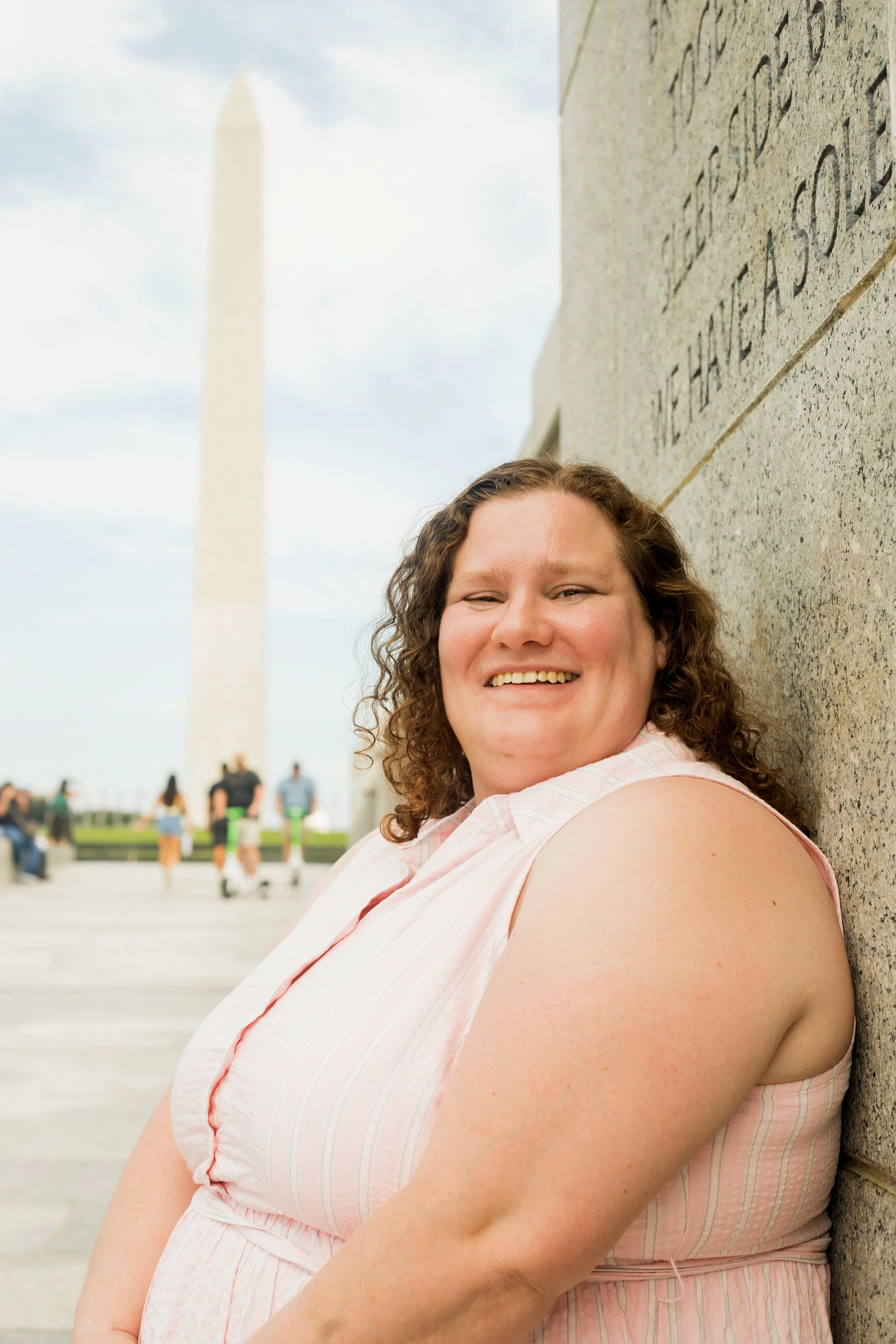
Naomi Pomerantz (she/her) is a Licensed Independent Clinical Social Worker (LICSW) who provides therapy that is warm, understanding, and collaborative. She serves teens and adults in DC, MD, and VA navigating neurodivergence, experiencing trauma, feeling anxious or depressed, and exploring their identity. She draws on advanced training in Internal Family Systems (IFS), Eye Movement Desensitization and Reprocessing (EMDR), and Dialectical Behavior Therapy (DBT).
Naomi holds master’s degrees in Social Work and Public Health, and her career has brought her into a range of settings focused on mental health, trauma, and supporting young people and families. She has worked as a therapist with children, adolescents, and adults, provided crisis support to survivors of sexual violence, and worked in school-based mental health and an outpatient hospital setting.
These experiences have shaped how she sees therapy. She understands people in the context of their relationships, environments, identities, and experiences, not just through a diagnosis or a list of symptoms.
Naomi meets with clients in-person at our DC office and via Telehealth.
