
Healing Those Who Have Served: Why I Believe in EMDR for Veterans, First Responders, and the National Security Community
TL;DR: Veterans, first responders, and national security professionals often carry the lasting effects of trauma, repeated exposure to high-stress situations, moral injury, and experiences they may never be able to fully discuss. EMDR is one of the most well-researched, evidence-based treatments for PTSD and can help the brain process distressing memories without requiring clients to share every detail of what happened. Drawing on nearly two decades of experience working alongside military personnel, law enforcement, and the national security community, Molly Michael, LMSW, provides trauma-informed care that honors the unique experiences of those who have spent their lives protecting others.
Written by Molly Michael, LMSW
Before becoming a trauma therapist, I spent nearly two decades working alongside military personnel, law enforcement officers at NYPD, and professionals across the national security community. I saw firsthand the extraordinary commitment, courage, and sacrifice required of those who dedicate their lives to protecting others.
That experience continues to shape my work today.
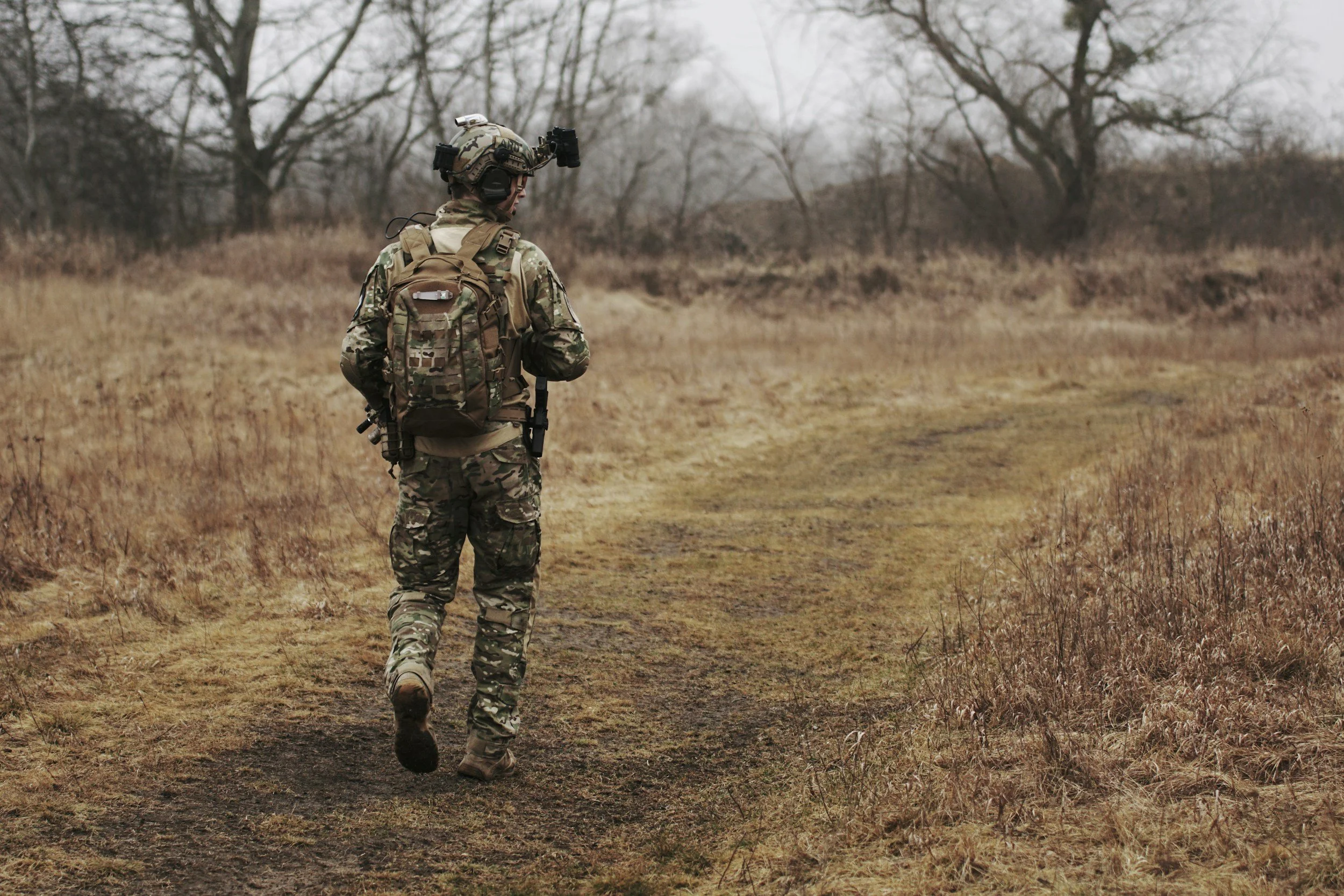
Many veterans, first responders, and national security professionals spend years training themselves to stay calm under pressure, make difficult decisions, and keep moving when others cannot.
Those abilities save lives, but they can also make it difficult to recognize when the nervous system has absorbed more than it was ever meant to carry.
Seeking help is not a sign of weakness. It is often the next step in a lifetime of service.
I believe the people who have spent their careers protecting others deserve access to compassionate, evidence-based care that helps them heal.
One of the most effective treatments we have for trauma is Eye Movement Desensitization and Reprocessing (EMDR).
Why EMDR?
EMDR is an evidence-based psychotherapy that helps the brain reprocess traumatic memories that have become "stuck." As memories are processed, they often lose their emotional intensity, allowing people to remember what happened without feeling as though they are reliving it.
Many clients describe this as finally being able to put the event in the past instead of carrying it in the present.
EMDR has been extensively researched for post-traumatic stress disorder (PTSD) and is recommended by organizations including the U.S. Department of Veterans Affairs, the U.S. Department of Defense, the American Psychological Association, the International Society for Traumatic Stress Studies (ISTSS), and the World Health Organization as an effective treatment for trauma.
What Does the Research Show?
Veterans and first responders have been among the most studied populations in EMDR research.
Studies involving combat veterans have demonstrated meaningful reductions in PTSD symptoms, including:
Intrusive memories
Nightmares
Hypervigilance
Anxiety
Avoidance
Emotional distress
Similar findings have been reported among police officers, firefighters, paramedics, and other emergency responders who experience repeated exposure to traumatic events throughout their careers.
Researchers including Dr. Francine Shapiro, Dr. Roger Solomon, Dr. Mark Russell, and others have contributed to the growing body of evidence supporting EMDR with military and public safety populations. Today, EMDR is considered one of the frontline, evidence-based treatments for PTSD.
Trauma Isn't Always About Fear
When many people think about PTSD, they picture fear after a life-threatening event. Fear is certainly part of trauma, but for many veterans, first responders, and members of the intelligence community, it isn't the whole story.
Some carry what is known as moral injury: the deep emotional, psychological, or spiritual distress that can arise after witnessing, failing to prevent, or participating in events that violate one's deeply held values.
For some this may involve split-second decisions made in impossible circumstances, civilians who could not be saved, teammates who were lost, or actions that were necessary in the moment but remain difficult to reconcile years later.
Others carry a different kind of burden: the weight of secrecy.
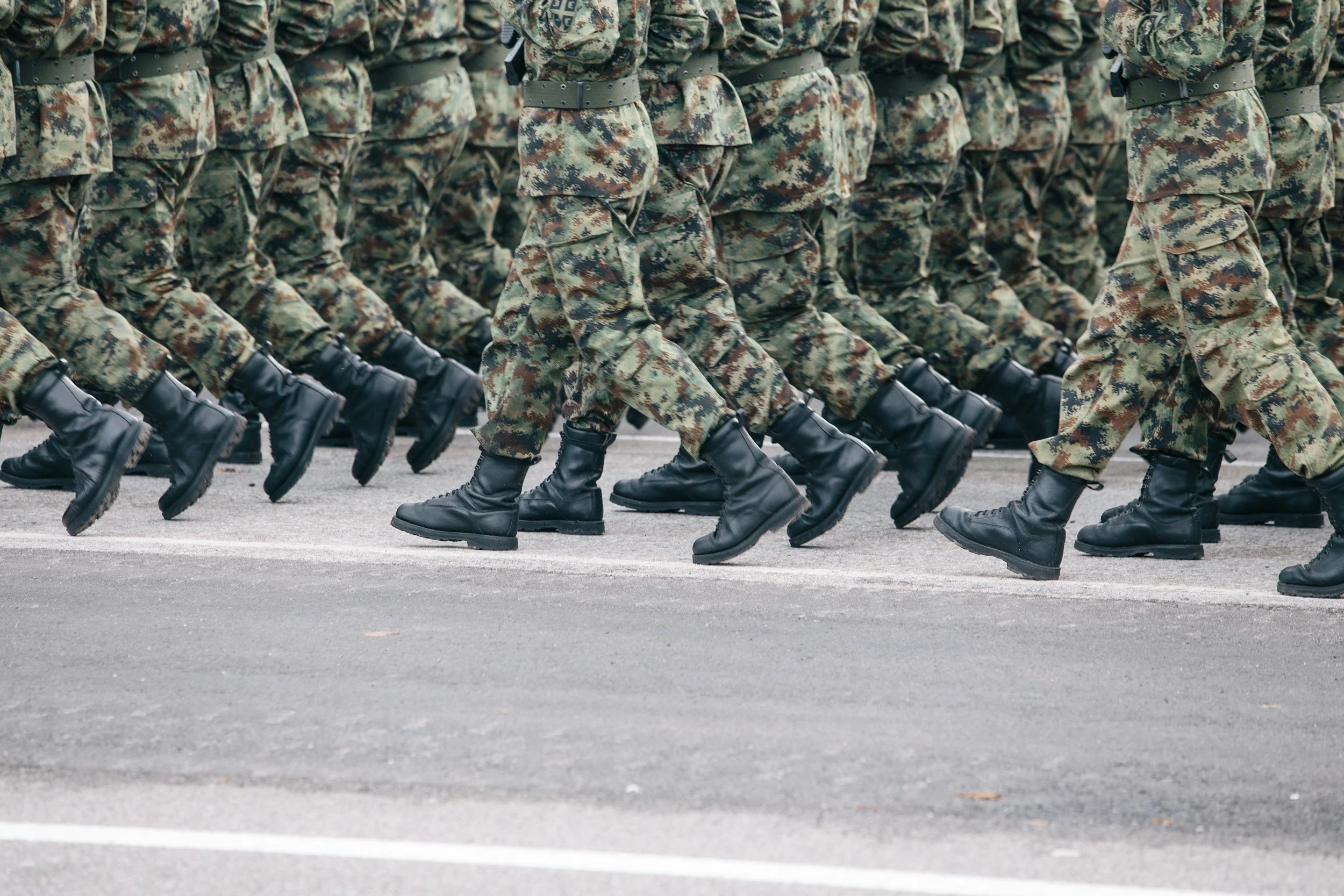
Many people who have served in intelligence, special operations, or other sensitive national security roles have experiences they cannot fully discuss, even years later.
Some remain classified. Others are protected by lifelong legal or ethical obligations.
Keeping those experiences private is part of the job, but secrecy can also become part of the burden. Carrying painful memories that cannot be openly shared can leave people feeling isolated, misunderstood, or alone with experiences few others could understand.
Sometimes the burden isn't only what happened. It's that you've carried it alone because your oath required you to.
One aspect of EMDR that many people find reassuring is that you do not have to describe traumatic events in detail for therapy to be effective. EMDR does not depend on the therapist knowing every operational detail. In many cases, a brief label ("the convoy," "the explosion," "that operation," or simply "that day") is enough for the brain to access the memory being processed.
For clients who have worked in classified environments or who simply do not wish to revisit every detail aloud, this can make trauma therapy feel more comfortable while respecting professional responsibilities and confidentiality obligations.
While moral injury and PTSD are not the same thing, they often occur together. EMDR has one of the strongest evidence bases of any psychotherapy for PTSD, and emerging research suggests it can also be an important part of treatment for the guilt, shame, grief, and loss of meaning that often accompany moral injury.
Healing does not mean forgetting what happened or pretending it did not matter. It means those experiences no longer have to define your present or dictate your future.
Why This Work Matters to Me
Throughout my previous career, I had the privilege of working alongside people who quietly carried extraordinary responsibility. Many were accustomed to being the ones others relied upon. They were highly capable, mission-focused, and deeply committed to protecting their communities and country.
Those same qualities can sometimes make it difficult to ask for help.
Today, it feels meaningful to continue serving this community in a different way. As a trauma therapist, I consider it a privilege to work with veterans, first responders, and members of the national security community as they process difficult experiences, reconnect with themselves, and move toward lives with greater peace, flexibility, and connection.
If you've spent years protecting others, you deserve the opportunity to care for yourself with the same commitment.
Looking for a therapist in Washington DC who provides compassionate, trauma-informed care for those who have spent their lives protecting others?
Take your first step toward processing the experiences you've carried for far too long.
(Washington, D.C., Virginia, and Maryland residents only)

About the author
Molly Michael, LMSW, is a therapist supporting adults in Washington, D.C., Virginia, and Maryland who are navigating trauma, anxiety, burnout, grief, relationship challenges, and life transitions. Drawing from her background working alongside military professionals, first responders, and individuals in high-stress environments, she integrates EMDR and IFS-informed therapy to help clients better understand the protective patterns, nervous system responses, and past experiences that continue to shape their lives and relationships.
The clinicians at Full Self Psychotherapy are committed to providing compassionate, trauma-informed care both in-person and online for clients across D.C., Virginia, and Maryland.
