
LGBTQIA+ Affirming Therapy in Washington, D.C.
You shouldn't have to spend the beginning of therapy figuring out how much your therapist understands about LGBTQIA+ life.

Whether you're talking about your partner, your gender, your family, or something that has nothing to do with being LGBTQIA+, you should be able to get into the actual work without having to explain the basics first.
Queer affirming therapy also doesn't mean that every conversation somehow comes back to your identity. At Full Self Psychotherapy, we work with LGBTQIA+ teens and adults dealing with anxiety, trauma, ADHD, relationships, family, shame, burnout, and all the other reasons people come to therapy. Sexuality and gender are part of the conversation when they're relevant for you.
Schedule a Free Consultation
What LGBTQIA+ Affirming Means at FSP
Our therapists are comfortable and experienced working with LGBTQIA+ clients. They don't treat heterosexuality or being cisgender as the default, and you don't need to have a label figured out before starting therapy. We also don't assume that every problem you're having has something to do with your sexuality or gender.
More broadly, we don't understand people in isolation from the environments they've lived in. Family, culture, community, systems, and experiences of discrimination, oppression, or violence can all shape mental health and the ways people learn to move through the world. We pay attention to that context without assuming it explains everything about you or why you're coming to therapy.
That context isn't only about what has been difficult. Queer identity and community can also be sources of connection, belonging, creativity, chosen family, and joy. We want this to be part of therapy too.

Queer Identity, Stress & Mental Health
The environments we grow up in and move through shape how we understand ourselves and relate to other people. For LGBTQIA+ people, that can include family and community attitudes, religious or cultural expectations, messages about sexuality or gender, and having to think about when and where it feels okay to be out. Experiences like rejection, bullying, discrimination, or being taught that something about you was wrong can have a lasting impact.
Over time, those experiences can contribute to anxiety, shame, perfectionism, relationship patterns, or trauma. Therapy can help make sense of those connections and work through experiences that are still affecting you now. The goal isn't just to understand where those patterns came from, but to have more freedom in how you relate to yourself, the people you love, and the life you want to build.
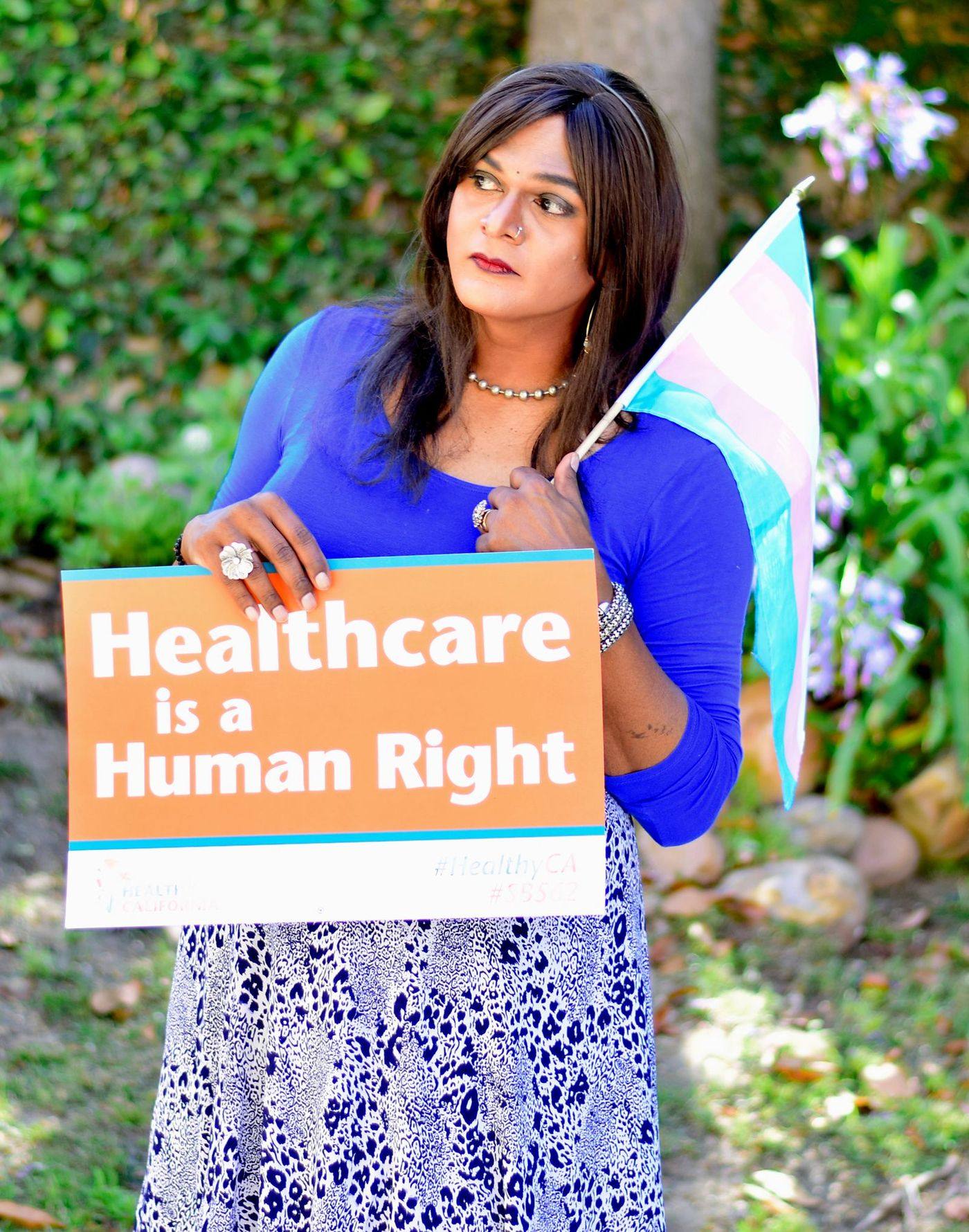
Trans & Gender-Affirming Therapy
We work with transgender, nonbinary, gender-expansive, and questioning teens and adults.
Some people come in because they're trying to figure out what they want around gender or transition. Or others already know and want support with the decisions or changes involved. You can also be years into transition and need therapy for something completely unrelated. What we focus on depends on what you actually want help with.
Whether you're seeking support around your gender identity or coming to therapy for something entirely unrelated, we're here to meet you where you are.
That might mean providing letters of support for gender-affirming medical care, helping you advocate for your needs with healthcare providers, or simply offering a space where you don't have to explain or defend who you are.
We recognize that medical systems can be invalidating, dehumanizing, and difficult to navigate for trans, nonbinary, and gender-expansive people. Our role is to offer affirming, trauma-informed support that respects your autonomy and the choices you make about your own care.
You don't have to be out, have everything figured out, or even know how you identify to feel welcome here. Whether you're questioning, exploring, or firmly rooted in who you are, you deserve a therapeutic relationship grounded in respect, curiosity, and genuine acceptance.
Our Approach to Therapy
FSP is a trauma-focused practice, and much of our work with LGBTQIA+ clients is the same work we do throughout the practice. We work with trauma and PTSD, anxiety, perfectionism, shame, relationship difficulties, ADHD and autism, grief, burnout, self-worth, and difficult family relationships.
Many of our clients already understand a lot about themselves and where their patterns came from. Our approach gives us ways to work with what is still happening emotionally, relationally, and in the body, not just talk about why it's there.
-

EMDR
EMDR can help process experiences that still carry a charge, including rejection, bullying, discrimination, difficult family experiences, or other trauma. It can be particularly helpful when something makes sense intellectually but still feels very present emotionally or physically.
Learn More About EMDR -

Internal Family Systems (IFS)
IFS helps us understand the different ways you've learned to protect yourself. That might include hiding parts of yourself, staying alert to other people's reactions, accommodating others, or carrying shame that developed in response to earlier experiences.
Learn More About IFS -

Somatic Therapies
Our bodies learn from experience too. Somatic work pays attention to things like tension, shutting down, feeling on guard, or difficulty feeling settled and present. It can help build a greater sense of safety and connection to your body, particularly when you've spent a long time needing to monitor yourself or your surroundings.
Learn More About Somatic Therapy -

Therapy Intensives
Therapy can often greatly benefit from having more time. We offer extended sessions and therapy intensives for clients who want to work more deeply with trauma or a particular issue without having to stop after 45 minutes. Longer sessions can give us more room for EMDR, IFS, and somatic work while still leaving time to settle and integrate before you're done.
Learn More About Therapy Intensives

LGBTQIA+ Relationships & Couples Therapy
Our couples therapists also work with queer couples. Some of what brings couples to therapy is pretty universal: communication, conflict, sex, trust, or feeling disconnected. Other things may be more specific to being an LGBTQIA+ couple, including differences around being out, gender, family, community, or what each person wants from the relationship.
We don't approach couples therapy with one model of what a healthy relationship is supposed to look like.
Explore Couples TherapyMeet your LGBTQIA+ Therapists
All of our therapists at Full Self Psychotherapy provide LGBTQIA+ affirming care, and we recognize that for some clients, working with a therapist who shares aspects of their identity or lived experience is especially meaningful.
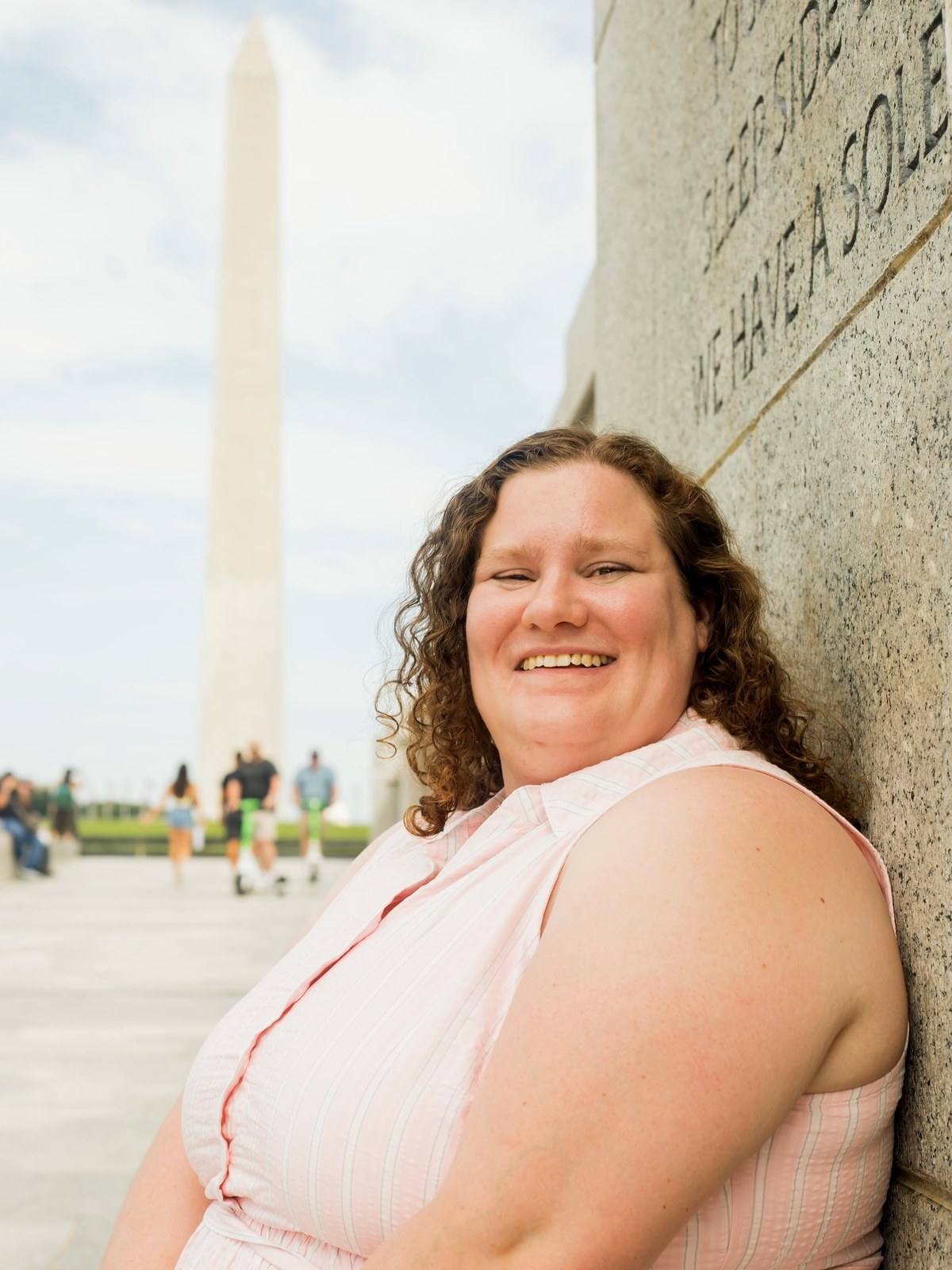
Brendan O'Connell, LMSW, LGSW, identifies as a gay cisgender male therapist, and Naomi Pomerantz identifies as a queer cisgender woman. Both are passionate about working with LGBTQIA+ clients and bring their lived experiences alongside their clinical training and expertise.
Whether you're looking for a therapist who is part of the queer community or simply someone who will understand and affirm your experiences, we're happy to help you find the right fit. Let us know what's important to you when you reach out.
-

Brendan O'Connell, LMSW, LGSW
-
Naomi Pomerantz, LICSW, LCSW-C
From the blog
Read more about LGBTQIA+ affirming therapy on our blog
 EMDR
How IFS, EMDR, and Somatic Therapy Support Healing for Marginalized Communities
March 23, 2026
 EMDR
EMDR for ADHD: Not Just for Trauma, How It Can Help with Shame, Rejection, and Emotional Flooding
March 9, 2026
 Trauma & Healing
What “Therapy Is Political” Means in Our Practice
February 17, 2026
 EMDR
EMDR Therapy: Why You Still Feel “Not Good Enough” Even When You Know You Are
January 6, 2026
 EMDR
EMDR for ADHD: Not Just for Trauma, How It Can Help with Shame, Rejection, and Emotional Flooding
July 29, 2025
 Trauma & Healing
What Is Shame and How Does It Show Up in Trauma?
March 5, 2025


Frequently Asked Questions
How do I know if a therapist is actually queer affirming?
Ask about their experience.
“Affirming” on a therapist's profile doesn't tell you how much experience they actually have working with LGBTQIA+ clients. It's reasonable to ask about training and clinical experience, especially if there's something specific you want your therapist to understand.
Do I need to know exactly how I identify before starting therapy?
No. You can come in without knowing exactly what language fits. You don't need to choose a label before talking about what you're experiencing.
What can we talk about if I'm questioning or exploring my gender?
Whatever is actually coming up for you. That might include how you understand your gender, whether or how you want to express it differently, relationships or family, coming out, or questions about transition. You don't need to know where any of it is leading before you start therapy.
Do you work with transgender and nonbinary clients?
Yes. We work with transgender, nonbinary, gender-expansive, and questioning teens and adults.
What if being LGBTQIA+ isn't why I'm looking for therapy?
Then it doesn't have to become the focus of your therapy. You can talk about your relationship, anxiety, childhood, ADHD, work, family, or whatever else is actually taking up space in your life.
Do you provide letters of support for gender-affirming care?
Yes! We offer assessments and letters of support for clients seeking gender-affirming medical care. We approach this process collaboratively and respectfully, recognizing that you are the expert on your own identity. Reach out to learn more about the process and whether this service is a good fit for your needs.
LGBTQIA+ Therapy in Washington, D.C. & Online
Full Self Psychotherapy provides queer affirming therapy for teens and adults in Washington, D.C. We see clients in person at our Dupont Circle office and virtually where our clinicians are licensed. We offer weekly therapy as well as intensives, starting at 90 minutes and extending to a dedicated afternoon or day.
Schedule a Consultation
Virtual Therapy: Healing from the Comfort of Home
Life is busy, and carving out time for therapy can feel like just another stressor. That is why we offer virtual therapy: a flexible, accessible option designed to fit seamlessly into your routine.
Imagine settling into your favorite chair, a warm drink in hand, your pet by your side, and starting your session from the privacy of your own space. Many clients find it easier to open up when they are in a familiar environment, free from the pressures of commuting or worrying about being seen at a therapy office.
Virtual therapy offers all the same benefits of in-person sessions, with added convenience and confidentiality. You can save time, avoid transportation hassles, and focus entirely on your healing. Your sessions will be held over a secure, HIPAA-compliant video platform, ensuring your privacy and safety every step of the way.
Learn More About Virtual TherapyFollow Us on Instagram
Practical ideas, reflections, and a look at the real people behind the practice. @fullselfpsychotherapy